Milk protein
Myprotein koristi najnapredniju tehnologiju kako bi proizveo najčišći prah proteina sirutke i kazeina., uključujući whey protein izolat (izolat proteina surutke).
10 Results
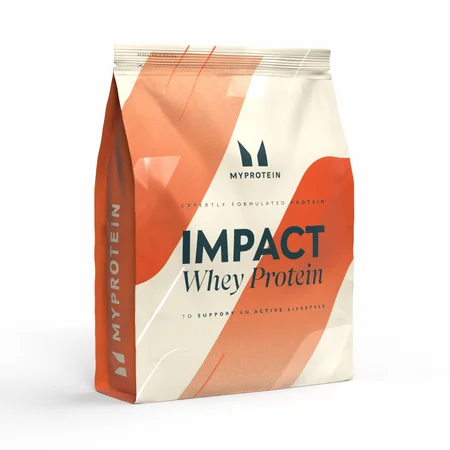
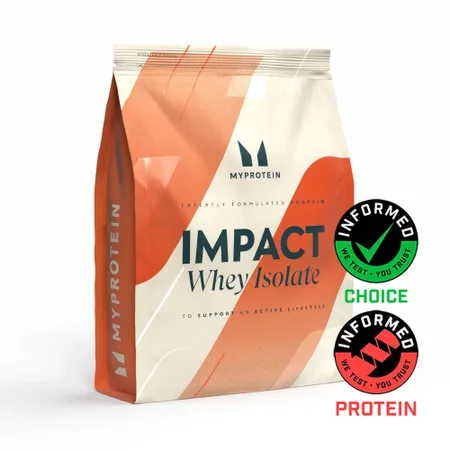
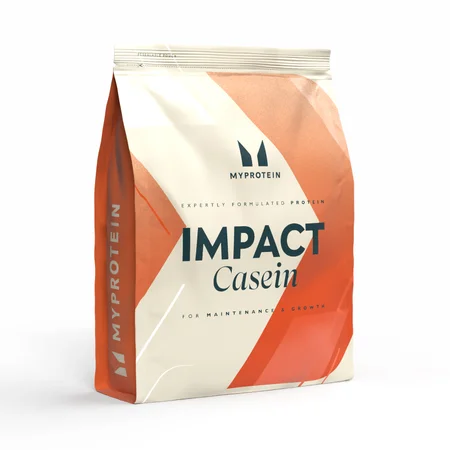
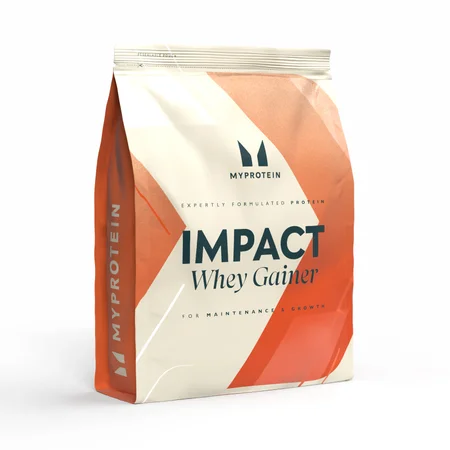
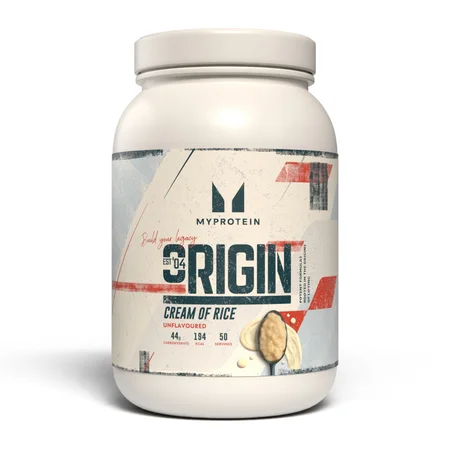
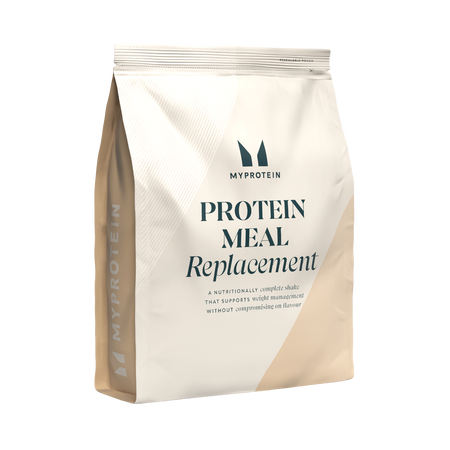
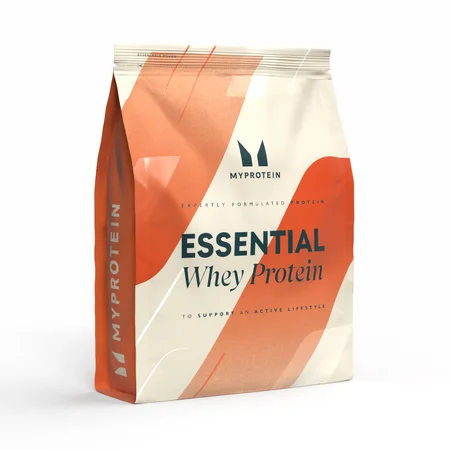
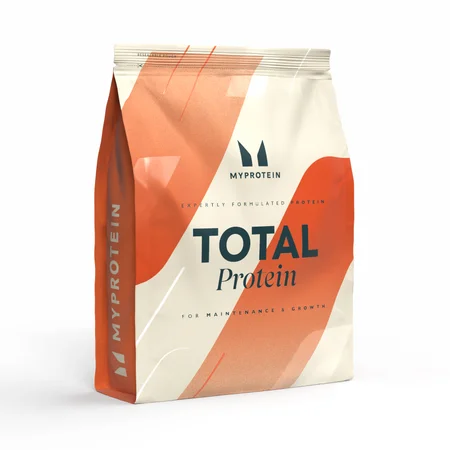
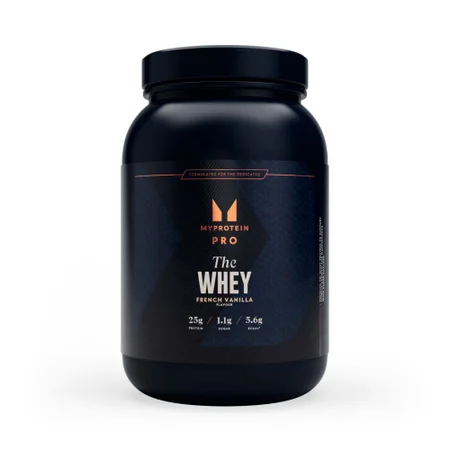
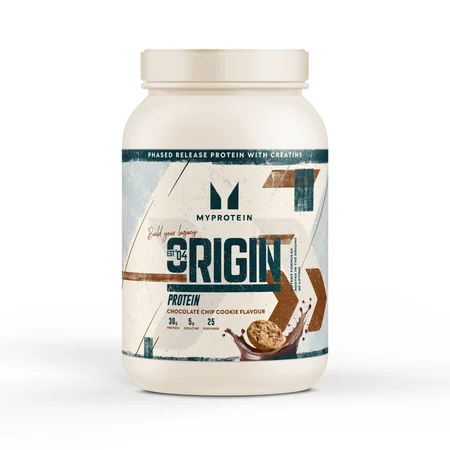
Shop Milk protein at Myprotein
Milk protein combines the complete protein profile naturally found in cow's milk, delivering both whey and casein in their natural ratios. These dairy-derived proteins provide all nine essential amino acids your body can't make on its own, making them a popular choice for anyone looking to increase their daily protein intake through supplementation.
From fast-absorbing whey isolate to slow-release micellar casein, our range of milk protein powders offers different digestion rates to suit various times of day and training goals. Whether you're after a post-workout shake or a sustained-release option before bed, milk-based protein supplements deliver versatility alongside complete nutrition.
Who Milk Protein Is For
Anyone following a structured training plan can benefit from incorporating dairy protein into their nutrition routine. From gym-goers focused on resistance training to endurance athletes covering long distances, milk protein supplements provide a convenient way to meet elevated protein requirements without preparing multiple high-protein meals throughout the day.
These products also suit people with busy lifestyles who struggle to consume adequate protein through whole foods alone. If you're frequently on the move, travelling for work, or simply want a quick protein source between meals, milk protein powder offers a practical solution that mixes easily and digests comfortably.
When to Use Milk Protein
The timing of your milk protein intake depends largely on which type you choose. Fast-digesting whey proteins work well immediately after training when your muscles are primed for nutrient uptake, whilst slower-releasing casein proteins make sense before extended periods without food, such as overnight or during long work stretches.
Many people also use milk protein supplements between meals to maintain steady amino acid availability throughout the day. A mid-morning or mid-afternoon shake can bridge the gap between main meals, helping you distribute protein intake evenly rather than loading it all into dinner.
Milk Protein Benefits
Complete Amino Acid Profile
Milk proteins contain all nine essential amino acids in substantial quantities, including leucine which plays a key role in protein synthesis. This complete profile means you're getting everything needed from a protein source without requiring multiple supplements or careful food combining.
Supports Muscle Mass
Protein contributes to the growth and maintenance of muscle mass1, making dairy protein supplements a practical choice for anyone engaged in regular resistance training or looking to preserve lean tissue during weight management phases.
Flexible Digestion Rates
Different milk protein fractions digest at different speeds, giving you control over amino acid release. Whey absorbs rapidly within an hour or two, whilst casein forms a gel in the stomach that releases amino acids gradually over several hours.
High Biological Value
Milk-derived proteins score highly on biological value measurements, indicating efficient utilisation by the human body. This means a greater proportion of the protein you consume actually contributes to tissue maintenance and growth rather than being oxidised for energy.
Popular Picks
Looking for versatile daily protein? Impact Whey Protein combines milk protein with vitamins and minerals in a controlled-calorie formula designed to replace one or two daily meals as part of structured weight management.
FAQs
What exactly is milk protein powder?
Milk protein powder contains the protein fractions naturally found in cow's milk, primarily whey and casein. These proteins are separated from the liquid and lactose components through filtration processes, then dried into powder form that reconstitutes easily in water or milk for convenient consumption.
How does milk protein differ from plant-based protein?
Milk protein provides all nine essential amino acids in one source and typically contains higher leucine levels than plant proteins. Dairy proteins also score higher on biological value measurements, indicating greater efficiency in how your body utilises the amino acids.
Plant proteins often require combining different sources to achieve a complete amino acid profile, though they suit those avoiding dairy or following plant-based diets. The choice between milk and plant protein ultimately depends on dietary preferences and any intolerances.
What's the difference between whey and casein?
Whey and casein are both milk proteins but digest at different rates. Whey absorbs rapidly, typically within one to two hours, making it popular immediately after training. Casein forms a gel in the stomach that releases amino acids gradually over several hours, which many people prefer before sleep or long gaps between meals.
Both contain complete amino acid profiles, but whey provides higher leucine concentration per serving whilst casein offers sustained amino acid availability. Some products combine both to get benefits from each digestion rate.
How much milk protein should I take daily?
Daily protein needs vary based on body weight, activity level, and training intensity. General guidelines suggest 1.6-2.2g protein per kilogram of body weight for those engaged in regular resistance training, though individual requirements differ.
Milk protein supplements help you reach these targets when whole food intake falls short. Many people use one to three servings daily, distributed around training and between meals, whilst getting remaining protein from regular foods.
Can I use milk protein if I'm lactose sensitive?
Whey isolate contains minimal lactose due to additional filtration that removes most carbohydrates and fats. Many people with mild lactose sensitivity tolerate isolate without issues, though individual responses vary.
Whey concentrate retains more lactose than isolate, whilst casein products fall somewhere in between depending on processing methods. If you experience digestive discomfort with dairy, start with a small serving of isolate to assess tolerance before regular use.
When's the best time to take milk protein supplements?
Timing depends on which milk protein you're using. Fast-digesting whey works well post-workout when rapid amino acid delivery matters, whilst slow-releasing casein suits before bed or long periods without food.
Beyond these specific windows, any time works for meeting daily protein targets. Mid-morning or mid-afternoon shakes help distribute intake evenly throughout the day rather than concentrating protein in one or two large meals.
Who develops Myprotein's milk protein formulas?
Myprotein's expert nutritionists develop all our protein formulations, working with quality dairy sources and testing extensively for purity and protein content. Each product undergoes rigorous quality control to ensure you're getting the declared protein levels alongside appropriate amino acid profiles.
What does Informed Sport certification mean?
Several of our milk protein products carry Informed Sport certification, meaning they've been tested for banned substances by an independent laboratory. This certification provides additional assurance for competitive athletes subject to anti-doping regulations, confirming the product is free from prohibited ingredients.
How do I choose between different milk protein options?
Start by considering digestion speed and when you'll use the product. Whey isolate and concentrate suit post-training and general daily use, whilst casein works better before sleep. Protein content matters too, with isolates providing around 90% protein versus 70-80% in concentrates.
Budget also plays a role, as isolates cost more due to additional processing. If lactose isn't an issue and you want good value, concentrate delivers excellent results. For maximum protein with minimal extras, isolate makes sense despite the higher price.
Can I mix milk protein with other supplements?
Milk protein powders mix well with other supplements like creatine, vitamins, or greens powders if you want to combine products in one shake. Many people add fruit, oats, or nut butter to create more substantial meal replacements with additional calories and micronutrients.
Just account for any protein content in other supplements when calculating total daily intake. If you're using multiple protein sources throughout the day, track servings to ensure you're hitting targets without excessive intake.
1. Protein contributes to the growth and maintenance of muscle mass.